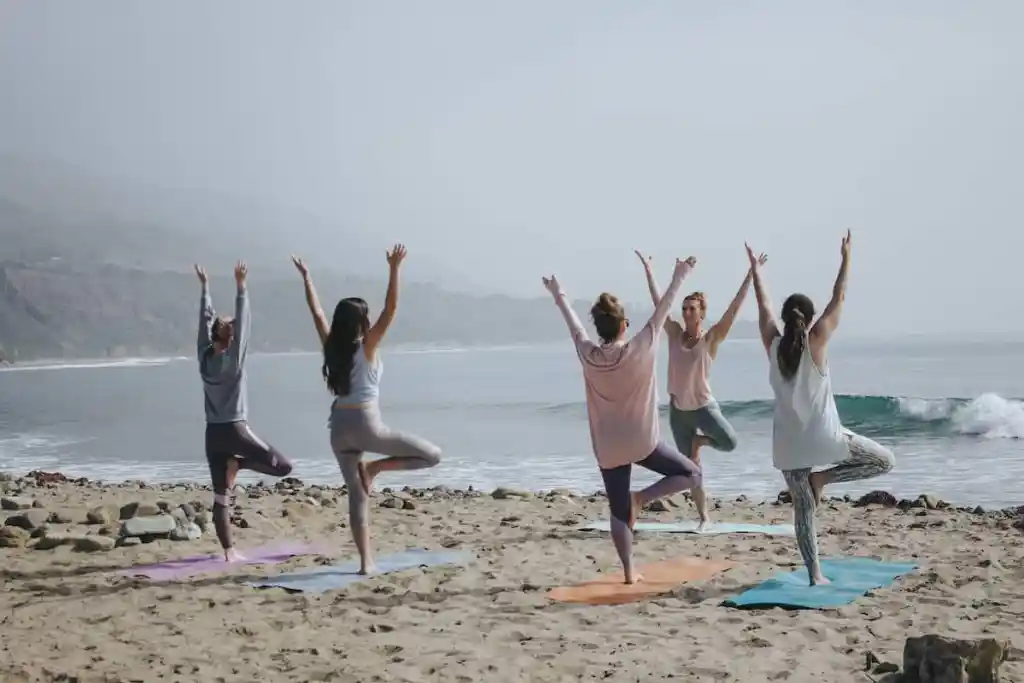
Yoga Outfit Ideas: What to Wear for Comfort, Movement, and Style
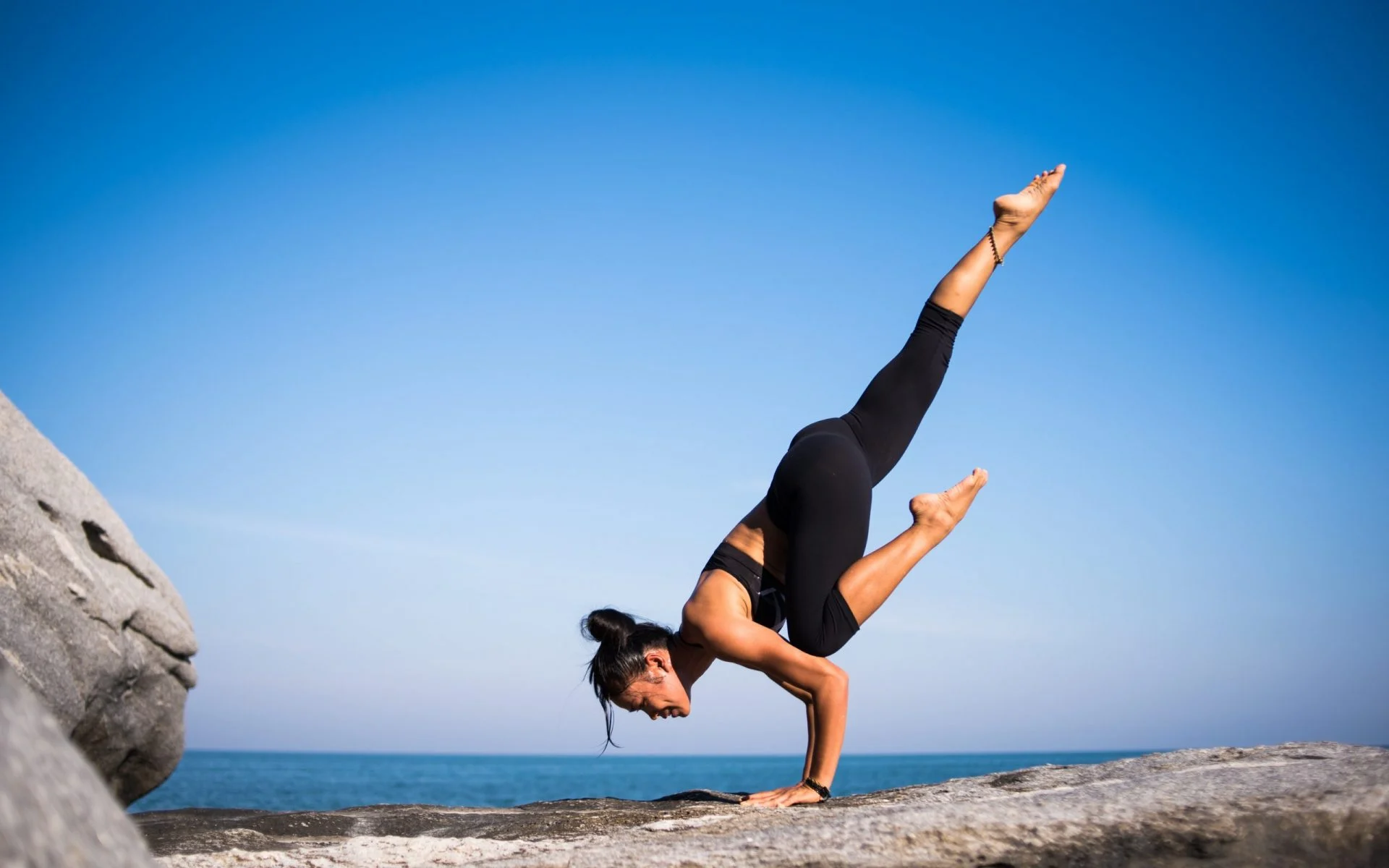
Yoga is about movement, breath, balance, and awareness. Your outfit should support all four without becoming something you have to think about halfway through your practice. A waistband that rolls down during a forward fold, a loose top that falls over your face in downward dog, or fabric that becomes uncomfortable when you sweat can turn a relaxing session into a series of small distractions.
The good news is that choosing a yoga outfit does not have to be complicated. The best outfits usually follow a simple formula: comfortable bottoms, a supportive but non-restrictive top, breathable fabric, and a fit that stays in place. Current yoga clothing guidance from brands and fitness retailers continues to emphasize flexibility, breathability, secure fit, and moisture management as the most important factors. (Under Armour)
If you are looking for yoga outfit ideas for women, building a few reliable combinations can make getting ready much easier. You can also adapt the same pieces for Pilates, stretching, walking, travel, and everyday athleisure.
What Should You Wear to Yoga?
A simple yoga outfit usually consists of stretchy leggings or yoga pants paired with a fitted tank, crop top, or sports bra. The clothing should move with your body without being so tight that it restricts breathing or so loose that it shifts during poses. High-rise leggings are particularly practical because they tend to stay in place during forward folds, twists, and inversions. (Yoga Lith)
For your upper body, a fitted tank or racerback top is a reliable choice. Loose T-shirts can become distracting when you move into downward-facing dog or other inverted positions because the fabric can fall toward your face. If you prefer additional coverage, choose a semi-fitted T-shirt or longline top that stays close to your body.
Your sports bra should match the intensity of your practice. Gentle yoga generally does not require the same level of support as running or HIIT. For faster practices such as power yoga or Ashtanga, you may prefer more support. (Under Armour)
1. Classic Leggings and Tank Top
The leggings and tank top combination is probably the easiest yoga outfit to start with. Choose high-waisted leggings with plenty of stretch and pair them with a fitted tank or racerback top. This combination gives you enough coverage while keeping your arms and legs free during stretches and transitions.
For leggings, look for four-way stretch, a secure waistband, and fabric that remains opaque when stretched. These details matter because yoga involves much deeper movement than simply walking or standing. Current yoga clothing guides specifically recommend testing leggings through bends and stretches rather than judging them only while standing. (Yoga Lith)
A black, charcoal, navy, or brown pair of leggings gives you plenty of styling options. You can pair them with a white tank for a clean look or introduce color through the top.
Best for: Vinyasa, Hatha, general yoga, stretching, and everyday wear.
2. Matching Yoga Set
If you want an outfit that looks polished without requiring much styling, try a matching yoga set.
A coordinated sports bra and leggings create a clean silhouette and eliminate the question of whether your top matches your bottoms. Yoga sets are also useful when you want an outfit that can transition into athleisure after class.
However, do not choose a matching set purely because it looks good. Pay attention to the individual pieces too. The leggings should stay secure during movement, while the top should provide the support and coverage you need. Coordinated clothing is useful only when both pieces perform well independently.
A neutral monochromatic set in black, brown, grey, cream, or muted green can create a minimalist look. If you prefer something more expressive, try a muted pastel or earthy tone.
Best for: Studio yoga, Pilates, travel, and gym-to-street outfits.
3. Sports Bra and High-Waisted Leggings
For a more minimal outfit, wear a supportive sports bra with high-waisted leggings.
This works particularly well if you prefer fewer layers. Your shoulders, arms, and back remain unrestricted, which can make certain poses feel more comfortable. A well-fitted sports bra can also stay in place during transitions without requiring constant adjustment.
For yoga, you generally do not need the same high-impact support required for running. The right level depends on your practice intensity, body, and personal comfort. (Under Armour)
If you want more coverage, add a lightweight tank over the sports bra. That gives you the option of removing the layer if you become warm.
Best for: Vinyasa, Ashtanga, power yoga, and warm studios.
4. 7/8 Leggings and Crop Top
A pair of 7/8 leggings with a fitted crop top is a great option if you prefer a slightly lighter outfit.
The shorter leg length can feel comfortable in warmer conditions while still providing plenty of coverage. Pairing the leggings with a crop top creates a balanced silhouette without adding unnecessary fabric.
When choosing a crop top, check that the hem stays secure when you lift your arms. Yoga involves repeated overhead movements, so a top that constantly rides upward can become irritating.
Look for a soft, stretchy fabric that allows your torso to twist and bend naturally.
Best for: Vinyasa, Pilates, warm-weather yoga, and studio classes.
5. Yoga Shorts and Fitted Tank
When temperatures rise, yoga shorts can be a practical alternative to leggings.
Choose shorts that stay secure around your waist and provide enough coverage during seated and inverted poses. Very loose shorts can shift during movement, while extremely short styles may require constant adjustment.
Pair them with a fitted tank or sports bra for a simple summer yoga outfit.
For heated practices, lightweight moisture-wicking fabrics can be particularly useful because sweat management becomes more important as the temperature increases. Current hot-yoga guidance commonly recommends lightweight synthetic blends with stretch and a close fit. (eu.isquaredyoga.com)
Best for: Hot yoga, summer yoga, outdoor practice, and high-temperature studios.
6. Wide-Leg Yoga Pants and Fitted Top
Not everyone enjoys wearing leggings. If you prefer a looser silhouette, try wide-leg yoga pants with a fitted top.
Wide-leg pants can provide a softer, more relaxed aesthetic while still allowing movement. They are particularly appealing for slower practices and can transition easily into everyday outfits. Wide-leg yoga pants have also recently received attention for their comfort and travel versatility. (InStyle)
The key is balancing the proportions. If your pants are loose, a fitted tank or sports bra can create a cleaner overall silhouette.
For dynamic yoga, make sure the pants do not interfere with your feet or make it difficult to see your alignment.
Best for: Hatha, Yin, restorative yoga, travel, and casual athleisure.
7. Flared Yoga Pants and Fitted Crop
For a more fashion-forward yoga outfit, try flared yoga pants with a fitted crop top.
Flared silhouettes create a different look from traditional leggings while retaining the comfort associated with stretchy yoga clothing. They can also transition easily from the studio to casual plans when paired with a jacket or oversized shirt.
This style works particularly well if your yoga practice is slower or moderate. For fast-paced sessions, check that the flare does not interfere with your movement.
Keep the rest of the outfit simple. A neutral flared pant with a fitted black or white top can look effortless without feeling over-styled.
Best for: Gentle yoga, Pilates, studio sessions, and athleisure.
8. Yoga Outfit for Beginners
If you are attending your first yoga class, you do not need to buy an entire new wardrobe.
Start with three reliable pieces:
- One pair of comfortable leggings
- One supportive sports bra
- One fitted tank top
A high-rise legging with four-way stretch is a practical starting point. Pair it with a medium-support sports bra and a fitted tank. This combination works across many common yoga classes. (Yoga Lith)
The most important thing is that you can move comfortably. Try bending forward, raising your arms, squatting, and twisting before committing to an outfit. If something shifts significantly during these movements, it probably will not become more comfortable once you start practicing.
You also do not need expensive activewear to begin yoga. Fit and function matter more than the logo.
9. Yoga Outfit for Hot Yoga
Hot yoga changes the clothing equation because heat and sweat become major factors.
A good hot yoga outfit usually includes a fitted sports bra or crop top with lightweight leggings or shorts. Choose breathable, moisture-wicking materials that do not become excessively heavy when wet. (eu.isquaredyoga.com)
Avoid unnecessary layers. A loose cotton T-shirt might feel comfortable before class but can become heavy and clingy once you start sweating.
A close-fitting outfit can also reduce distractions during inversions and transitions. If you prefer shorts, make sure they remain secure during movement.
Best outfit formula:
Sports bra + high-waisted leggings or shorts + minimal layers
10. Yoga Outfit for Winter
Yoga studios can feel cool before and after class, even if your body warms up once you start moving.
A good winter outfit can start with full-length leggings, a fitted top, and a lightweight outer layer. Add a sweatshirt, quarter-zip, cropped hoodie, or soft jacket for your commute and warm-up.
Layering is useful because you can remove the outer layer once your body temperature rises. It also gives you something warm to put back on during Savasana or after class.
A warm layer can also make your yoga wardrobe more versatile outside the studio. A simple neutral jacket can work with leggings, joggers, jeans, or other everyday clothing.
Best for: Winter yoga, morning classes, travel, and post-class errands.
11. Monochrome Yoga Outfit
If you prefer a minimalist aesthetic, try a monochrome yoga outfit.
Choose one color and build the entire outfit around it. Black is the easiest option, but you can also experiment with chocolate brown, navy, olive, cream, or muted grey.
For example:
Black leggings + black sports bra + black fitted tank + black zip-up
The result is simple and cohesive without requiring complicated styling.
Monochrome outfits are also practical for building a capsule yoga wardrobe because each piece can be combined with other neutral items.
12. Earth-Tone Yoga Outfit
Earth tones are another strong option if you want your yoga wardrobe to feel calm and understated.
Think:
- Olive
- Sand
- Beige
- Chocolate brown
- Terracotta
- Muted sage
- Warm grey
You can combine different shades rather than matching everything exactly. For example, try chocolate leggings with a cream tank and an olive overshirt.
This creates visual interest while maintaining a cohesive aesthetic.
For a brand such as Kosh, this kind of palette could also work particularly well because it connects naturally with a calm, wellness-oriented visual identity without relying on overly bright gym colors.
13. Yoga Outfit With an Oversized Shirt
Want an outfit that works beyond the yoga studio?
Start with fitted leggings and a sports bra, then add an oversized cotton or lightweight button-down shirt for the journey to and from class.
The contrast between the fitted base and relaxed outer layer creates an easy athleisure look. Once you arrive at the studio, you can remove the shirt and practice in your base layer.
After class, put the shirt back on and continue with your day without needing to change completely.
This is one of the easiest ways to turn yoga clothing into a gym-to-street outfit.
14. Yoga Outfit With a Lightweight Jacket
A lightweight jacket can serve the same purpose while creating a slightly more structured look.
Try:
Black leggings + fitted tank + lightweight neutral jacket + clean sneakers
The base outfit works for yoga, while the jacket and footwear make it suitable for commuting or casual plans.
Current activewear recommendations increasingly focus on pieces that work across exercise and everyday life, including layers that can be used for studio sessions, errands, travel, and casual wear. (Real Simple)
15. The Best Fabrics for Yoga Clothes
Fabric can make a huge difference in how your outfit feels.
For dynamic or sweaty practices, nylon-spandex and polyester-spandex blends are commonly used because they combine stretch with moisture-management properties. (Under Armour)
For slower practices, softer materials can be appealing because you may spend longer periods in seated or lying positions.
Rather than choosing fabric based purely on marketing claims, consider your actual practice.
Ask:
Will I sweat a lot?
Choose moisture-managing fabric.
Do I need maximum flexibility?
Look for four-way stretch.
Do I practice restorative yoga?
Prioritize softness and comfort.
Do I practice in a heated room?
Look for lightweight, breathable construction.
The best yoga outfit is not necessarily made from one specific fabric. It is made from a fabric that matches how you practice.
16. How Should Yoga Clothes Fit?
Yoga clothing should generally be fitted without feeling restrictive.
If your leggings are too loose, they may move around during poses. If they are excessively tight, they can become uncomfortable during deep bends and breathing exercises.
For tops, avoid excessive fabric around your torso. A fitted or semi-fitted top usually stays more securely in place during inversions. REI similarly recommends breathable, flexible bottoms and a form-fitting top that does not hang over your face when you are upside down. (REI)
The easiest test is movement.
Before buying, try:
Forward fold → squat → twist → raise your arms → sit down
If the clothing remains comfortable and secure through all five movements, you are probably on the right track.
17. What to Avoid Wearing to Yoga
Some clothing looks comfortable but performs poorly during yoga.
Avoid anything that:
- Restricts your range of motion
- Constantly rolls down
- Becomes transparent when stretched
- Has irritating seams
- Requires frequent adjustment
- Has excessive loose fabric around the torso
- Becomes excessively heavy when wet
Loose tops are particularly problematic during inversions because they can fall toward your face. Breathable and flexible clothing is generally a better choice for yoga than ordinary casual clothing. (REI)
You should also avoid choosing an outfit solely because it looks good in a photograph. A beautiful set that needs constant adjustment is not a successful yoga outfit.
18. Should You Wear Socks to Yoga?
Most yoga is practiced barefoot because direct contact with the mat provides natural grip and stability.
If you prefer wearing socks, grip socks can provide additional traction. They can also be useful in colder environments.
However, regular socks may slide on the mat and make certain poses less stable. If your studio has specific rules, follow those first.
The same principle applies to footwear: yoga itself generally does not require athletic shoes.
How to Build a Simple Yoga Capsule Wardrobe
You do not need twenty yoga outfits.
A small collection can provide plenty of variety.
A practical starting point could include:
| Piece | Quantity | Why you need it |
|---|---|---|
| High-waisted leggings | 2–3 | Main yoga foundation |
| Yoga shorts | 1–2 | Hot weather and heated classes |
| Sports bras | 2–3 | Support and rotation |
| Fitted tanks | 2–3 | Easy everyday combinations |
| Long-sleeve top | 1 | Cooler sessions |
| Lightweight jacket | 1 | Warm-up and post-class layering |
| Wide-leg or flared pants | 1 | Relaxed and athleisure looks |
The exact number depends on how often you practice and how frequently you do laundry. The goal is to create multiple outfits from a small number of pieces, rather than collecting clothes for the sake of variety.
Final Thoughts
The best yoga outfit ideas are not necessarily the most complicated ones.
Start with clothing that allows you to move freely, stays in place, feels comfortable against your skin, and matches the intensity of your practice. High-waisted leggings, fitted tanks, supportive sports bras, lightweight layers, and breathable fabrics can form the foundation of a wardrobe that works across different yoga styles.
Then add your personal style.
Maybe that means monochrome black sets. Maybe it means earthy neutrals. Maybe you prefer soft pastels, oversized layers, or colorful matching sets. There is no single aesthetic that defines the perfect yoga wardrobe.
What matters is whether your clothing lets you focus on your practice instead of adjusting your outfit.
When your clothes move with you rather than against you, that is when a good yoga outfit has done its job.
FAQs About Yoga Outfits
What is the best outfit to wear for yoga?
A practical yoga outfit is high-waisted stretchy leggings with a fitted tank top or supportive sports bra. Choose breathable fabric and make sure the clothing stays secure during forward folds, twists, and inversions.
Can I wear regular leggings for yoga?
Yes, provided they have enough stretch, remain opaque when stretched, and stay secure during movement. Regular leggings that restrict your movement or become transparent may not be suitable.
Should yoga clothes be tight or loose?
Yoga clothes should generally be fitted but not restrictive. Very loose clothing can shift during inversions, while excessively tight clothing can restrict movement and breathing.
What should women wear for hot yoga?
For hot yoga, choose a supportive sports bra or fitted crop top with lightweight, moisture-wicking leggings or shorts. Avoid unnecessary layers and heavy fabrics.
Can yoga outfits be worn outside the studio?
Absolutely. Leggings, fitted tanks, joggers, oversized shirts, and lightweight jackets can easily become part of an athleisure wardrobe. A simple outer layer and clean sneakers can transform a yoga outfit into a casual everyday look. (Real Simple)